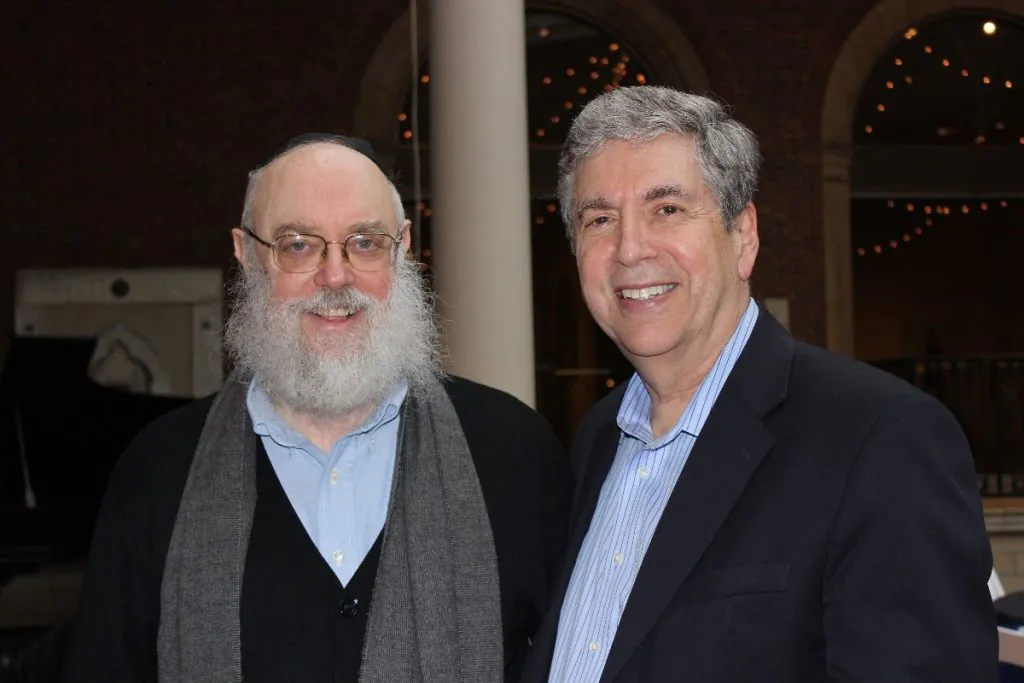
With profound sadness, the global community of mediation scholars, legal practitioners, students, and friends mourns the passing of Professor Robert A. Baruch Bush, a towering figure in alternative dispute resolution whose intellectual courage and deep humanity reshaped the field and touched countless lives.
Baruch passed away peacefully on February 27, 2026, at the age of 78, surrounded by his loving children. His life was a testament to scholarship, spirituality, service, and compassion.
Born in Phoenix, Arizona, Baruch’s early brilliance led him to Harvard University, where he earned his Bachelor of Arts degree, and subsequently to Stanford Law School, from which he graduated with a Juris Doctor, setting the stage for a lifelong devotion to legal education and dispute resolution.
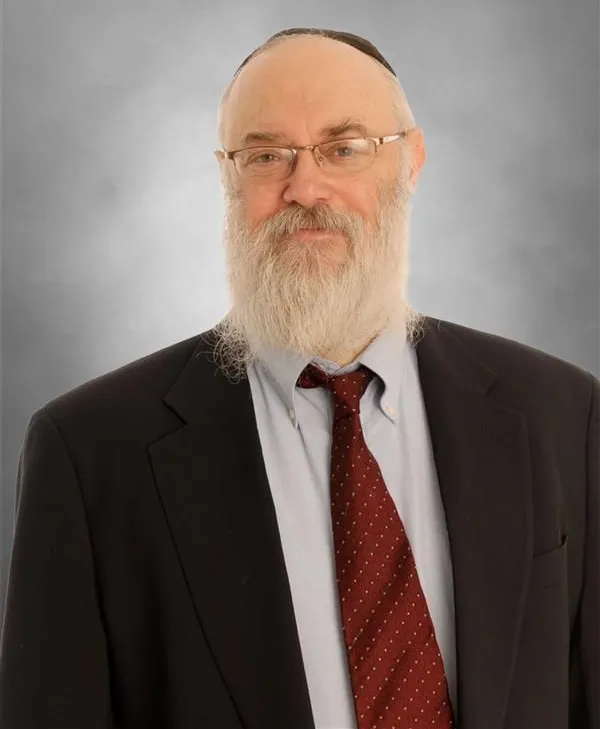
For more than four decades, Professor Bush served as the Harry H. Rains Distinguished Professor of Arbitration and Alternative Dispute Resolution Law at the Maurice A. Deane School of Law at Hofstra University. There he taught mediation, negotiation, alternative dispute resolution (ADR), and foundational legal subjects with passion and rigor, inspiring generations of students to approach conflict not as a problem to be stamped out, but as an opportunity for human connection and understanding.
Baruch’s scholarly work is both foundational and far-reaching. He authored and co-authored more than two dozen books, articles, and chapters on mediation and ADR and was a recognized lecturer and trainer internationally. His research included practical implementations of mediation programs — including workplace conflict systems — and he served as a consultant to courts, schools, nonprofit institutions, and national organizations.
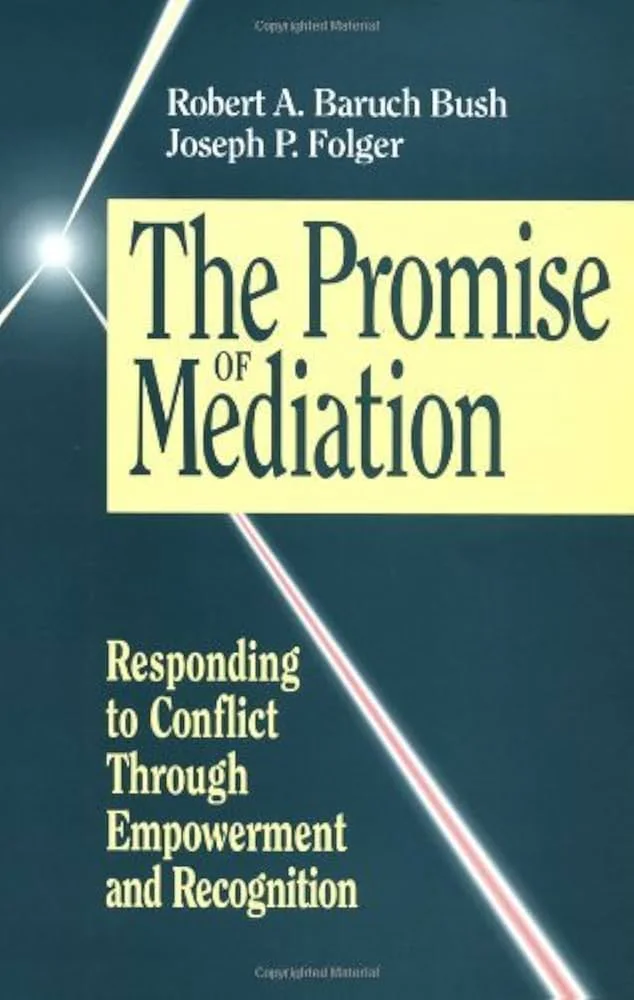
Perhaps no contribution captures Baruch’s intellectual impact more profoundly than his collaboration with Joseph P. Folger, with whom he co-authored The Promise of Mediation, a seminal work in the field that introduced and articulated the transformative model of mediation. This approach reframed the purpose of mediation around empowerment, recognition, and human dignity — placing human interaction itself at the center of conflict intervention, rather than settlement alone.
Transformative mediation has become one of the most studied and applied frameworks in mediation theory worldwide, pursued not only in courts and legal systems, but in community centers, schools, workplaces, and international dispute settings.
Beyond his academic prominence, Baruch’s life was shaped by a deep spiritual commitment. After a transformative connection with Yiddishkeit in 1977 at the Chabad House in Berkeley, California, he embraced Jewish tradition and Chassidus, roots that sustained him throughout his life and work. It was during that period that he met his beloved wife, Shulamis A”H, at a Purim celebration — a meeting that would shape his personal and familial world.
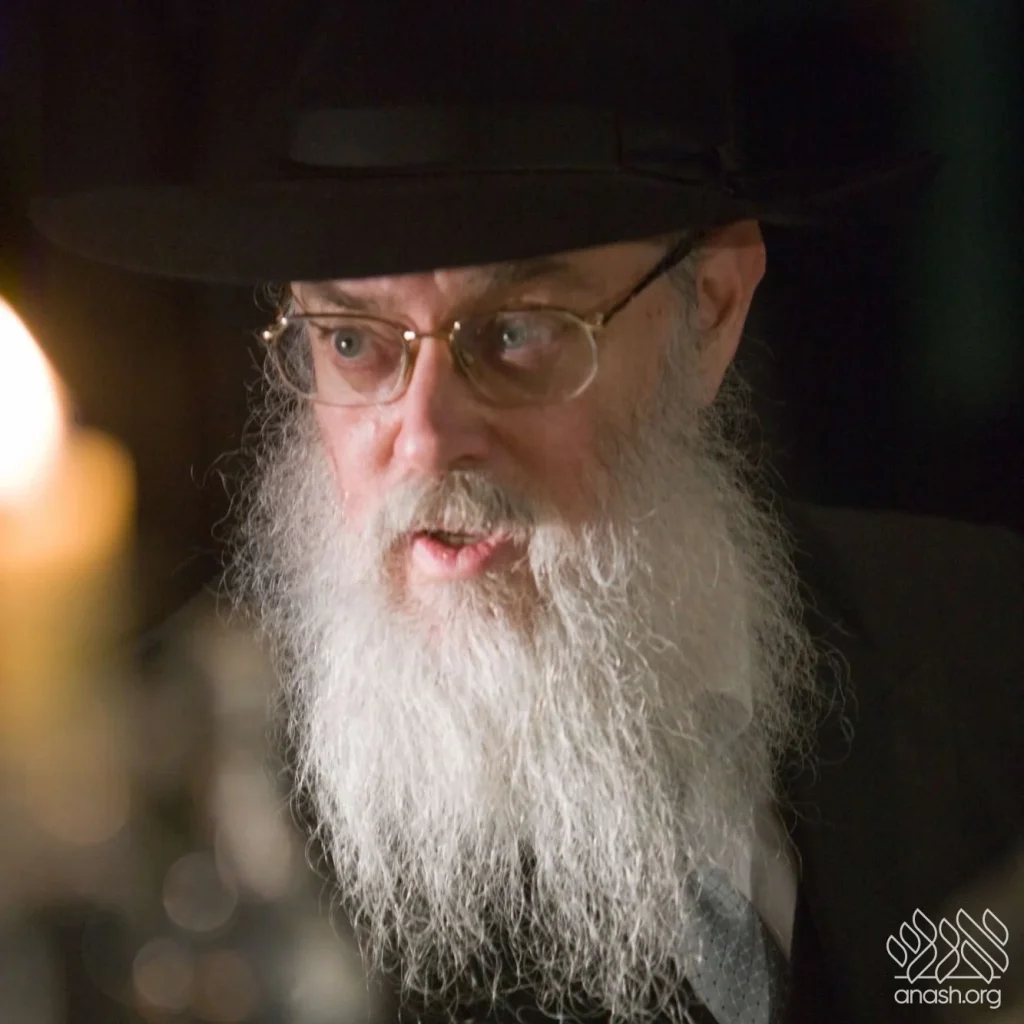
Seeking a vibrant, rooted community in which to raise his family, Baruch and his wife made their home in Crown Heights, Brooklyn, where he became a cherished member of the community. He actively served during the 1991 Crown Heights tensions, offering legal guidance and volunteering with communal institutions. Even as his scholarly work traveled the globe, he remained deeply connected to his community, faith, and family.
Colleagues and students remember Baruch not only for his extraordinary intellect but for his warmth, humility, generosity, and moral integrity — a teacher who listened deeply, challenged respectfully, and brought out the best in everyone fortunate enough to sit in his classroom or workshop.
Baruch’s influence extended far beyond legal texts and classrooms. He helped cultivate a generation of mediators who approach conflict with humanity first; he enriched legal systems with programs that honor dignity and voice; and he helped build bridges between theory and practice that will continue to guide the field for decades to come.
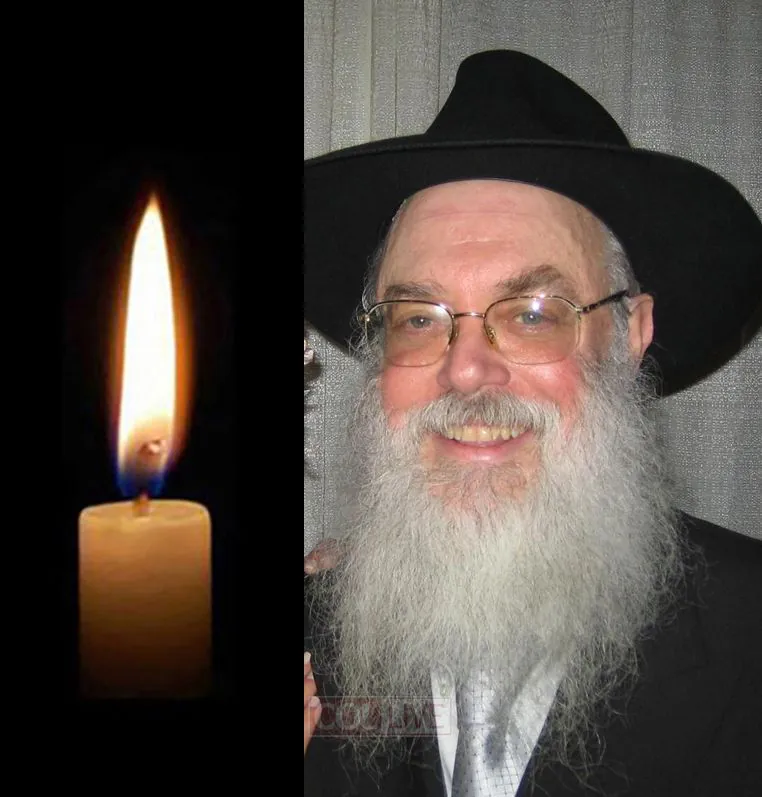
Professor Bush’s work earned international recognition, accolades, and profound respect in ADR communities globally, including prestigious awards and invitations to lead major research and training initiatives.
Professor Baruch Bush leaves behind a legacy of scholarship, transformation, and inspiration. He will be deeply missed by his children, family, students, colleagues, and the many communities he impacted with intellect, kindness, and spiritual depth.
Rest in peace, Baruch —
a builder of human understanding, a guardian of dignity,
and a shining exemplar of what it means to live a life of purpose.
Here are some top quality videos reminding us of Baruch’s brilliance:


Indisputably As an arbitrator and teacher of arbitration, I’ve noticed that legal issues are more frequently the focus in arbitration proceedings, both non-labor and labor. I have watched non-lawyer representatives...
By Sarah ColeDisputing Blog by Karl Bayer, Victoria VanBuren, and Holly HayesThe United States Supreme Court has reportedly been asked to review a federal court’s order refusing to set aside a jury’s...
By Beth GrahamJAMS ADR Blog by Chris PooleA JAMS delegation traveled to Hong Kong in May to participate in the fourth Shanghai-Hong Kong Commercial Mediation Forum, a seminal event that provides a...
By Chris Poole