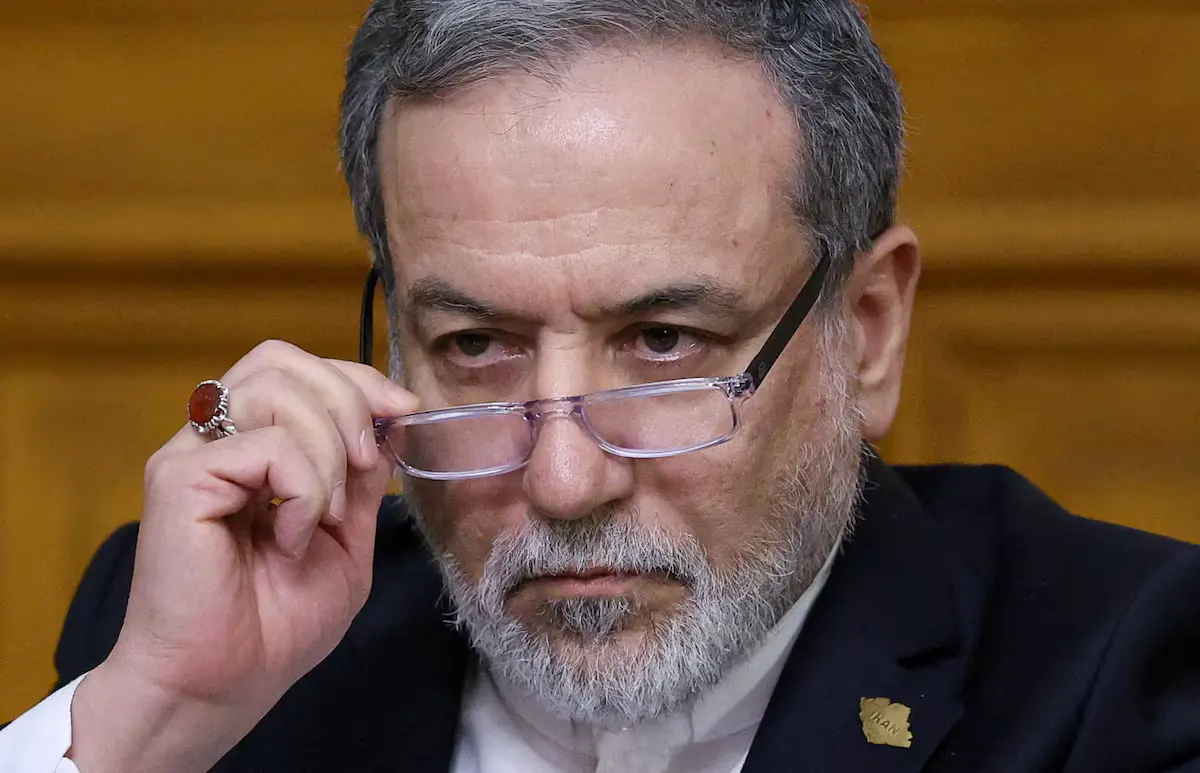
DUBAI, March 24 (Reuters) – Iran’s negotiating posture has hardened sharply since the war began, with the Revolutionary Guards exerting growing influence over decision-making, and it will demand significant concessions from the United States if mediation efforts lead to serious negotiations, three senior sources in Tehran said.
In any talks with the U.S., Iran would not only demand an end to the war but concessions that are likely red lines for U.S. President Donald Trump – guarantees against future military action, compensation for wartime losses and formal control of the Strait of Hormuz, the sources said.
Iran would also refuse to negotiate any limitations to its ballistic missile programme, they said, an issue that had been a red line for Tehran during the talks that were taking place when the U.S. and Israel launched their attack last month.
MIXED SIGNALS OVER NEGOTIATIONS
Trump said on Monday that Washington had already had “very, very strong talks” with Tehran more than three weeks into the war, but Iran has publicly denied this.
The three senior sources said Iran had only had preliminary discussions with Pakistan, Turkey and Egypt over whether the groundwork existed for talks with the United States over ending the war.
A European official said on Monday that, while there had been no direct negotiations between Iran and the U.S., Egypt, Pakistan and Gulf states were relaying messages. A Pakistani official and a second source also said on Monday that direct talks on ending the war could be held in Islamabad this week.
If any such talks were arranged, Iran would send Parliament Speaker Mohammad Baqer Qalibaf and Foreign Minister Abbas Araqchi to attend, the three Iranian sources said, cautioning that any decisions would ultimately lie with the hardline Islamic Revolutionary Guard Corps.
ISRAELI SOURCES DOUBT AGREEMENT POSSIBLE
Three senior Israeli officials also said on Tuesday that, although Trump seemed determined to reach a deal, they viewed it as unlikely that Tehran would agree to U.S. demands, which they believed would include an end to Iran’s ballistic missile and nuclear programmes.
Iran’s use of ballistic missiles and its ability to effectively close the Strait of Hormuz, through which about a fifth of the world’s oil and liquefied natural gas usually flows, have been its most effective responses to the U.S.-Israeli strikes.
It could not agree to give these up without leaving itself defenceless against further attacks, analysts say.
Read the complete article here
INTERCULTURA Y RESOLUCIÓN DE CONFLICTOS INTRODUCCIÓN El Programa. Antecedentes. Ubicación Geográfica. Población. Las experiencias a compartir en este capítulo se han desarrollado en la zona Metropolitana...
By Lilian Edith VargasKluwer Meditation Blog by Bill MarshI am writing this from outside my home country, on a two-week assignment. It’s not a “mediation” as we might typically know it – not...
By Bill MarshThis article appeared in The Detroit News and is being reprinted with permission by the publisher.Many attorneys know and appreciate the benefits of mediation. Those who are familiar with the...
By Laura Athens